Impact & Context

Why we are beginning our work in Rajasthan, and the population-scale of the challenge we aim to address.

Why Rajasthan?

As the largest state by area, Rajasthan's vast geography and deeply dispersed population make service delivery exceptionally complex. Despite improvements in infrastructure, the state lags behind national averages in critical human development indicators.

3.5–4 Crore

People (45–50% of the state's population)

Experience daily challenges in accessing education, health services, or disability-inclusive systems.
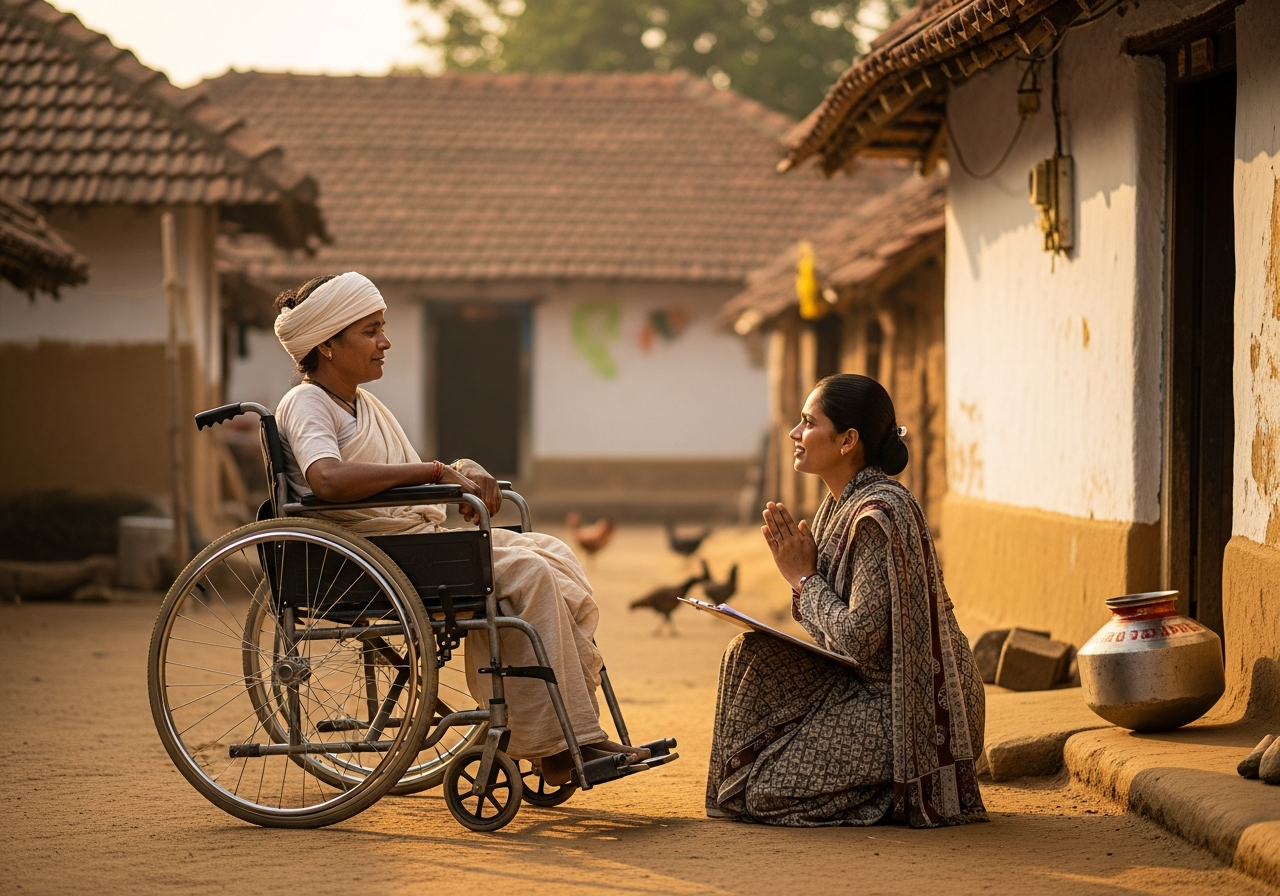
Mission Image

The Fragmentation of Governance

Limited Technical Expertise

District officials handling multiple programmes lack specialised support for inclusive planning, data analytics, and monitoring.

Weak Evidence Use

Decisions are primarily input-driven rather than evidence-driven, as district-level data systems are fragmented.

Poor Early Intervention

Only a fraction of children with developmental delays are screened in time, and referral pathways are inconsistent.

What Changes When Systems Strengthen

Sutra's approach moves the dial from fragmented interventions to integrated governance. By focusing on systems, we ensure that:

1

Evidence replaces intuition in policy design.

2

Departments converge their efforts instead of working in silos.

3

Frontline workers gain the capacity to execute complex policies.

4

Marginalised communities become partners in governance.