The Intersectional Challenge
Vulnerability is rarely isolated. A child facing malnutrition often struggles with learning outcomes, and a woman with disabilities face amplified barriers to healthcare. Our focus areas are designed to intersect.
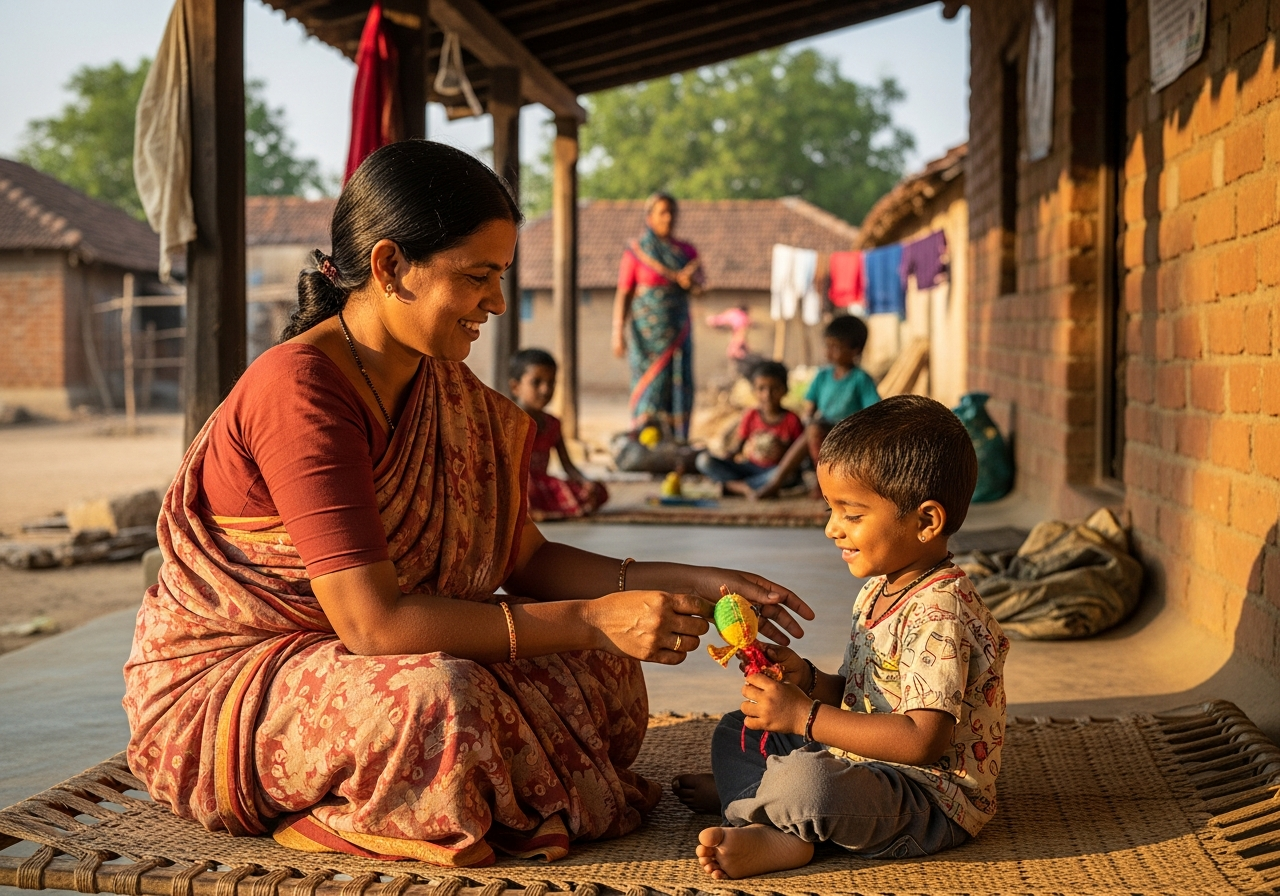
Education & Learning
Rajasthan has one of the highest school dropout rates, especially among girls. We work to close learning gaps and ensure inclusion in classrooms by addressing systemic teaching and structural barriers.
Health & Nutrition
With maternal mortality and under-5 mortality rates above national averages, and 23% wasting in children, we aim to strengthen early intervention, maternal healthcare, and Anganwadi systems.
Disability Inclusion
Lack of certification limits access to schemes. We push for functional convergence under the RPwD Act 2016, integrating early identification into state frameworks.
Gender & Social Protection
Women, particularly those with disabilities, face disproportionate exclusion from education, employment, and healthcare. We design interventions targeting intersectional marginalisation.
Child Rights
We focus on the holistic development of children, ensuring early screening for developmental delays and smooth referral pathways from Anganwadi to health and education systems.
Governance Innovations
Translating intent into action requires fixing fragmented decision-making. We build district-level data systems to move from input-driven to evidence-driven governance.